
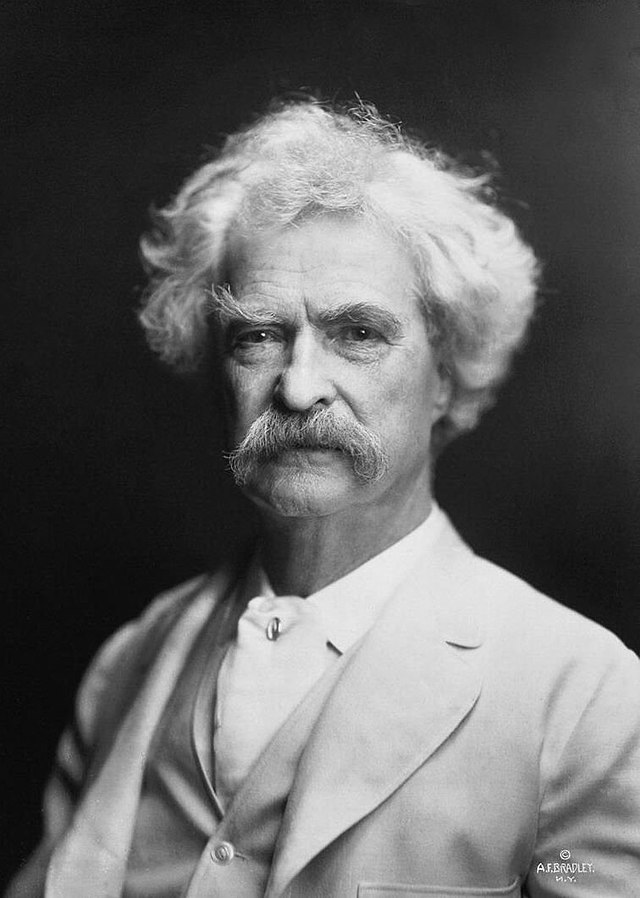
In the ever-evolving landscape of high school English literature, educators are often asked to move beyond the timeless works that have captivated readers for centuries. Bringing diverse voices into our curriculums is always a plus, but we must not ignore the classics. First of all, they ‘re classic for a reason right? As I mentioned in a post on Transcendentalism, we can always look to the past for the timeless relevance of great fiction. There are certain figures that absolutely belong in the modern English classroom. One such luminary figure in American literature whose works continue to resonate is Mark Twain. Teaching Mark Twain in high school English classes will both reveal to your students how the past informs the present and challenge them to make meaning of the world around them.
Navigating the River of Morality with Huck Finn
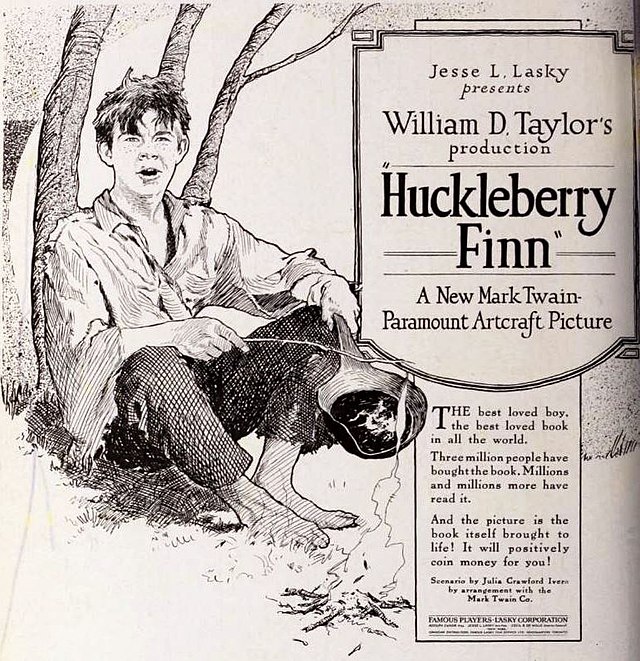
Mark Twain’s magnum opus, The Adventures of Huckleberry Finn, provides a riveting journey through the moral complexities of pre-Civil War America. As students follow Huck’s odyssey down the Mississippi River, they are confronted with ethical dilemmas, racial tensions, and societal expectations. This novel serves as a catalyst for discussions on morality, empathy, and the consequences of societal norms.
Some teachers shy away from the novel because of its language and challenging themes. When treated sensitively, The Adventures of Huckleberry Finn can be a powerful teaching tool for racial justice. Huck is a wayward boy much like many of teenagers in our classrooms. Through him our male students can experience a vicarious journey from ignorance to enlightenment. This is a path they all must walk, and we hope they make it there.
Satirical Brilliance in “Journalism in Tennessee “
“Journalism in Tennessee ” offers a glimpse into the ridiculous and violent world of Southern Journalism. Twain ‘s short story remains totally relevant in the world of cutthroat, competitive journalism, a world plagued by “fake news. ” In reading this short story, students can reflect on how the issues of Twain’s day have evolved into the issues of today. By tracing Twain ‘s criticisms of journalism then to criticisms of journalism now, students gain a greater appreciation for the timeless nature of satire. If you haven’t read “Journalism in Tennessee ” before, give it a read here.
What makes this short story an invaluable tool in the classroom is that it is perfect for teaching satire. Students can explore Twain ‘s wit and humor while dissecting the underlying societal critiques embedded within the narrator ‘s escapades. Plus the story is full of Looney Tunes style gun violence and hand grenades. Perfect for keeping your students ‘ interest! Need help teaching this short story? Look no further!
Teaching Twain in High School to Explore American Identity
Furthermore, Mark Twain’s short stories delve into various facets of the American identity. From the humorous anecdotes in “The Celebrated Jumping Frog of Calaveras County” to the thought-provoking “The Man That Corrupted Hadleyburg,” these tales provide rich material for discussions on regionalism, identity, and the human condition.
It is in the regionalism of the realist period that American literature was truly born. From these short stories, your students can begin to see how Mark Twain was a landmark figure in defining the identity of the American author. His influence persists into the 21st century. Twain is inescapable!
A Classic Critique of American Government in “Cannibalism in the Cars “
Perhaps even more timeless than “Journalism in Tennessee ” is his classic takedown of American government in “Cannibalism in the Cars. ” In this satirical short story a group of survivors stranded after a train accident form an orderly quorum and decide whom among them to eat first! The grotesque nature of Cannibalism is couched in political phrasing which makes the story both readable and an incredible critique of American democracy. If you haven ‘t read this one, give it a read here.
Beyond sharpening their satirical skills, students can engage with a frank discussion of the very nature of voting in a democracy: in the end someone always loses and it is very rarely the powerful. Of all Twain ‘s stories, this one is the most immediately applicable to our lives today. Students can even examine the news and look for stories of Congressional and Senatorial voting that resembles the naked self-preservation of the cannibals in the cars! Need help teaching this story? Look no further!
Conclusion
Incorporating Mark Twain into high school English curricula is a pedagogical choice that goes beyond teaching literature; it is an investment in fostering critical thinking, empathy, and an understanding of societal complexities. Teaching Twain in high school through his timeless narratives, students not only explore the past but also gain insights into the present, preparing them to navigate the river of life with a keener sense of morality and understanding.