As educators we are constantly called upon to review our curriculums to make sure we are meeting the state standards. I’m sure we’ve all felt that frustration of wanting to teach great texts while being asked “how does it meet the standards?” The ideal Junior English curriculum for the first quarter should address the classics of American Literature and Informational texts in order to pave the way for a more nuanced enjoyment of diverse texts later on in the school year.
It is absolutely possible to cover a wide variety of American classics over 9 weeks while hitting all the standards. In this blog post I cover the three units that I teach every autumn to my junior students. This approach not only lays the groundwork for a deep appreciation of the modern American literature, but also hits on almost all of the RL and RI standards. Set your students up for success with an excellent Junior English curriculum
Unit 1: Rhetoric of the American Revolution
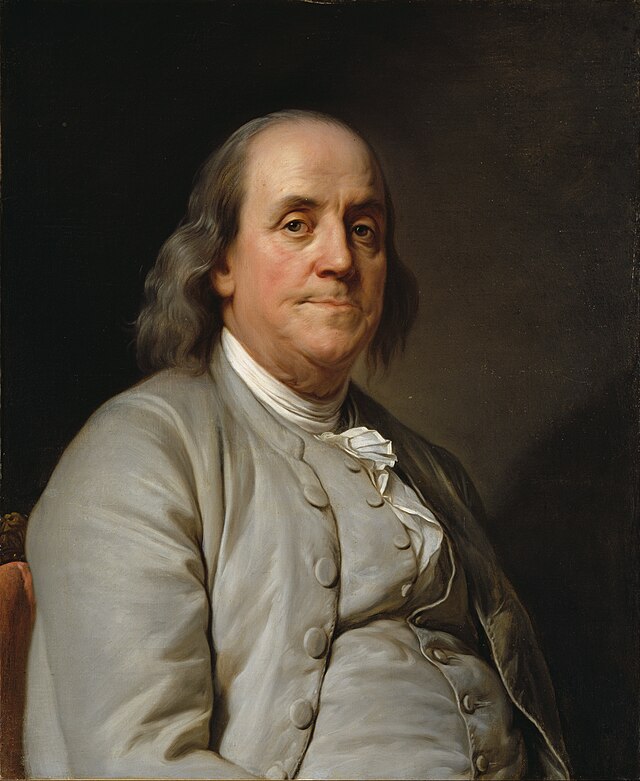
There is no better place to start a Junior English curriculum based on American literature than with the passionate speeches of the American Revolution. Students learn this stuff in history class too, so you don’t want to spend too much time on the founding fathers. I find that a quick survey of key speeches from Thomas Paine, Patrick Henry, and Ben Franklin, are perfect for covering the essential values on which America was founded.
Furthermore, by starting here, you can cover so many of those RI standards that are often forgotten in literature heavy classrooms. Revolution era speeches are absolutely dripping in rhetorical devices like parallelism, rhetorical questions, synecdoche, metonymy, and more! Take a look at my lesson on TPT in which I ‘ve embedded numerous rhetoric and standards-based questions into each speech. I find that breaking up the speeches in this way makes them so much more accessible for students.
Unit 2: American Romanticism
After a close study of American rhetoric, your students will be hungry for some fiction. There is no better place to take your Junior English curriculum than to the father of American Literature: Washington Irving. From “Rip Van Winkle” to “The Devil and Tom Walker,” Irving created the American short story and so many of our cultural myths. His stories are dense with unique characters, complex themes, interesting figurative language, and best of all: humor! Students are always surprised at how much they enjoy Irving.
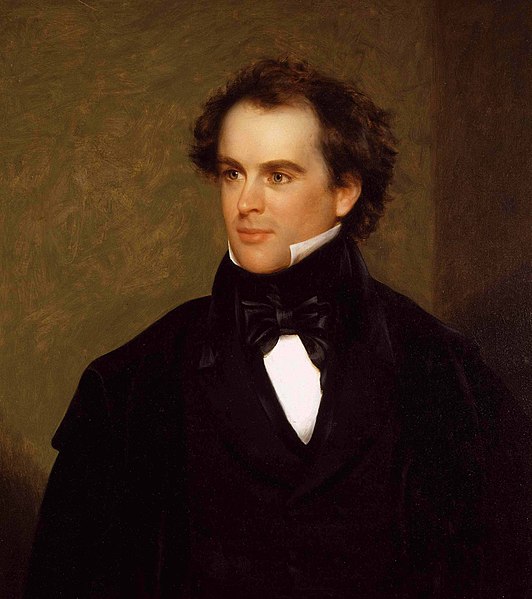
Following a study of Washington Irving, you absolutely must introduce your students to Nathaniel Hawthorne! While teaching The Scarlett Letter may be a struggle, “Young Goodman Brown ” is an excellent way to discuss the Puritans and Hawthorne ‘s reactionary writings. As a bonus you can step back into the past and introduce your students to Cotton Mather, whose “Wonders of the Invisible World” was an intriguing (and failed) defense of the Salem Witch Trials! For guidance on these authors take a look at my American Romanticism bundle available for a discount on TPT!
Unit 3: Transcendentalism
The perfect way to end the quarter is with a study of the Transcendentalists. Not only do the writings of Emerson and Thoreau naturally extend from the Romantics, but teaching this time period is the perfect way to blend both 11-12.RL and 11-12.RI standards! From the essays from Emerson and Thoreau to the poems of Emily Dickinson and Walt Whitman, you’ll be able to assess your students mastery of all the skills they’ve been practicing for the entire semester.
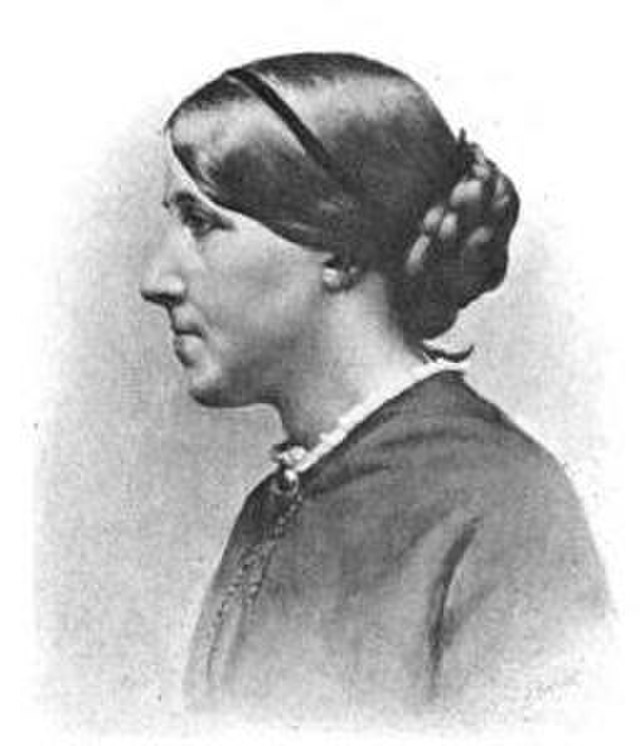
Beyond Emily Dickinson, you can also introduce your students to the writings of Margaret Fuller (America ‘s first feminist!). Often we forget that Louisa May Alcott wrote in response to the Transcendentalists. In another blog post, I noted that a study of Little Women has been in a hit in my class.
To round out my Q1 Junior English Curriculum my students study Emerson ‘s “Nature ” and “Self-Reliance. ” They also read Thoreau ‘s “Civil Disobedience ” and excerpts from Walden. Margaret Fuller ‘s “Woman in the 19th Century ” presents opinions they ‘ve never read before. Then we read a survey of Dickinson ‘s poems and several parts of Whitman ‘s “Song of Myself. ” Through these pieces students can reflect on their own thought processes, keep nature journals, and consider how Thoreau ‘s opinions on government reflect back on the rhetoric of the Revolution! An explication of a Dickinson poem is the perfect way to assess their writing. If you need help with planning out your Transcendentalism unit, check out my lesson plans on TPT.
Final Thoughts
If this sounds like a lot of ground to cover over the course of one quarter, you are absolutely correct! Many years ago, I realized it was better to have too much to cover than not enough. In fact, I often save half the Transcendentalism unit for the beginning of Q2. Reading about nature is perfect for late October anyway! If you ‘re interested in this curriculum, you can purchase the entire package on my TPT site for $18.99. It is a great value, and every activity is print ready!
