
Incorporating historical texts into our high school English Language Arts curriculum not only enhances students’ literary skills but also deepens their understanding of pivotal moments in history. One such essential text is Frederick Douglass’s “Narrative of the Life of Frederick Douglass, an American Slave.” This timeless autobiography provides a lens into the horrors of slavery, the resilience of the human spirit, and the power of literacy and self-advocacy. Here’s why teaching Douglass’s narrative is a must for connecting students to history, the abolitionist movement, and critical academic standards.
Bridging Literature and History
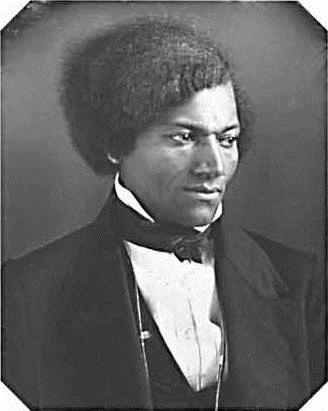
Frederick Douglass’s narrative is not just a personal story but a vital historical document. Teaching this text allows students to explore the intersection of literature and history, fostering a richer appreciation of both disciplines. Douglass’s vivid descriptions of his experiences as an enslaved person and his eventual escape to freedom provide firsthand insights into the realities of slavery and the abolitionist movement.
My students teach each other the novel through an inquiry approach. This approach asks every students to draft two higher order thinking questions about each chapter. Then on assigned days students challenge their peers to answer their questions. For a fun twist sometimes I have students challenge me with their most difficult and insightful questions! My unit plan available on TPT offers print ready materials and a rubric to assist in this approach.

Assessing RI Standards Through a Powerful Text
In addition to his narrative, Douglass’s speeches are an excellent avenue for assessing students’ mastery of Reading Informational (RI) standards. The complex structure, use of rhetorical devices, and rich vocabulary of “What to the Slave is the Fourth of July?” make the speech an invaluable teaching tool in our classrooms. Furthermore, students can analyze central ideas, evaluate arguments, and determine the effectiveness of rhetorical elements to a degree that modern speeches can’t quite live up to.
By critiquing Douglass’s use of ethos, pathos, and logos, as well as his reliance on rhetorical devices like parallelism, anaphora, metonymy, and antithesis, students examine how a complete argumentative speech is constructed. The fact that they are learning about a crucial time in American history almost feels like a bonus! Moreover, the universal themes of perseverance and self-empowerment ensure that Douglass’s message resonates with diverse learners, fostering both intellectual and personal growth.
Given the diverse ability levels in my classroom, I embed questions directly into Douglass’s text. Each question asks students to examine specific rhetorical concepts about each passage. This allows all students to engage with Douglass’s words on a level comfortable to their abilities. My lesson plan available on TPT includes the text of the speech print ready with questions embedded in it as well as notes on all necessary rhetorical terms.

Conclusion
To extend student learning beyond his writing and speeches, I recommend viewing HBO’s “Douglass in Five Speeches.” This wonderful documentary covers much of Douglass’s life after his escape from bondage making it the perfect complement to his narrative.
Teaching Frederick Douglass in high school ELA classrooms bridges the gap between literature and history, providing students with a profound understanding of the abolitionist movement while enhancing their analytical skills. His narrative offers a compelling means to engage students, foster empathy, and assess their mastery of essential academic standards. By including this powerful work in the curriculum, educators empower their students to connect with the past and envision a more equitable future.